

Grounded in safety.
Oriented toward agency.
You don’t have to hold this alone.

Trauma therapy in San Francisco serving the Bay Area. Online therapy across California.
Often what heals trauma is a reparative relationship where you can feel safe to:
A trauma therapist in San Francisco specializing in complex relational trauma, I work with the unconscious beliefs and responses that shape how you relate to yourself and others.
I help those who have been harmed by the people they loved and trusted most find clarity and come back into wholeness.
Trauma therapy is a gradual unfolding that begins by establishing safety with resources, coping mechanisms and trust — at your pace. With lots of room to say, “I need to take a break. I can’t today.”
Together, we will restore a sense of safety so you can fully process the difficult emotions arising after experiences that leave lasting imprints on body, mind, and spirit.
Complex trauma is the accumulation of suffering that occurs when a single person has experienced a lifetime of experiences that have ruptured their sense of safety, belonging, or identity. The clinical diagnosis, complex PTSD, refers to a cluster of symptoms stemming from the combined effect of acute and developmental trauma.
Acute trauma occurs after an individual has experienced or witnessed a life threatening event that is beyond their control. The definition of trauma is highly unique, depending on individual’s unique perception and experience of an event.
When someone with developmental trauma stemming from childhood experiences of neglect or abuse has also suffered from isolated instances of acute trauma,, they are likely to suffer from complex PTSD.
CPTSD is a cluster of symptoms that develops after prolonged or repeated exposure to traumatic events.
Many people seeking trauma and PTSD therapy carry layers of relational, developmental, or complex trauma that may not yet have language.
Learn more about individual psychotherapy with a trauma-informed therapist.
Invitation to pause.
Take a breath.
Bathe your brain in oxygen and let your lungs expand.
Exhale.
How are you doing?
The next section contains a detailed list of symptoms that someone with unprocessed trauma may encounter.
You don’t have to read this all at once or understand what it all means.
Some of the descriptions below are academic, some are visceral.
If you feel triggered or overwhelmed, here is permission to skip the rest and send me a message instead.
Avoidance, hypervigilance, startle response, emotional disregulation, flashbacks, difficulty sleeping, recurring nightmares, intrusive thoughts, isolation, depression and anxiety are all common symptoms of trauma that can lead a survivor to feel trapped and powerless, caged by an inability to fully engage in the present.
One of the most common symptoms of trauma is the repeated sense of experiencing the past as if it were happening in the present.
The impulse to self-medicate in the aftermath of trauma is not only understandable but deeply human. Many survivors of complex trauma rely on substance use to cope with unshakeable experiences. If you are inadvertently continuing the cycle of harm by self-sabotaging your future in an attempt to forget the past, visit trauma-informed addiction therapy for viable solutions to manage your pain that don’t result in more suffering.
Healing from traumatic experiences works by slowly:
Over time, trauma therapy can help you move through the paralyzing anxiety that keeps you trapped in the past, rediscover a sense of personal agency, and rewrite your story so you can move forward with your life.
I offer trauma therapy for empaths, artists and highly sensitive people in San Francisco, Marin County, and throughout the Bay Area.
Check out Therapy FAQ to learn more about how therapy works.
Read more about Somatic Therapy or take the Archetype Quiz to find out which therapeutic approach is a fit for your personality.
Our bodies carry what the psyche cannot bear.
Unprocessed traumatic material, often triggered by seemingly innocuous cues, are latent reminders of an event coded in color, sound, or smell — in the turn of a phrase, a glance, or a gesture.
So the undigested emotional experiences show up as nausea or heartburn, or cold sweat, not because the smell of sea air in an old wooden house is terrible but perhaps because an unremembered or unspoken experience stirs something that evokes fear, disgust, or shame.
The body has a preverbal memory. It holds experiences that weren’t stored in cognitive memory, not as a weakness, but as a survival strategy. The way your mind departed from your body through dissociation carried you through a danger beyond your control.
A somatic trauma therapist can help you bring awareness to your triggers so they don’t hijack your daily life.
In therapy, these responses are not obstacles — they are entry points to integration, resolution, and a renewed sense of internal coherence.
Violence originating from those we love and trust is the most difficult to heal from and the most confusing to make sense of.
Intimate partner violence, sexual abuse and child abuse can shatter a person’s sense of reality and their ability to trust in others.
If you’re seeking therapy specifically for sexual trauma, please visit this page on Trauma-Informed Sex Therapy for more focused information on recovery from intimate violations.
Tending Psychic Wounds
When the body is repeatedly hijacked by unconscious recall of traumatic experiences, even something as simple as a song playing the background can trigger intense reactivity.
What looks like a personality organization may instead reflect a nervous system shaped by trauma. If you’re looking for a frame to hold your experience, this reflective BPD Quiz offers language for patterns often rooted in emotional overwhelm and dysregulation.
What you discover through these questions isn’t a diagnosis, and certainly not the entirety of your story, but it may help normalize experiences that are easily misinterpreted as a personal failure.
For some, what is called Borderline Personality Disorder may reflect a diagnosis that confuses the result for the cause.
A trauma-informed perspective on the deeper origins of your symptoms, relational patterns, and inner conflicts.
Visit Couples Therapy or Family Therapy for a broader perspective on relational therapy with Marla Leigh Caplan, LMFT.
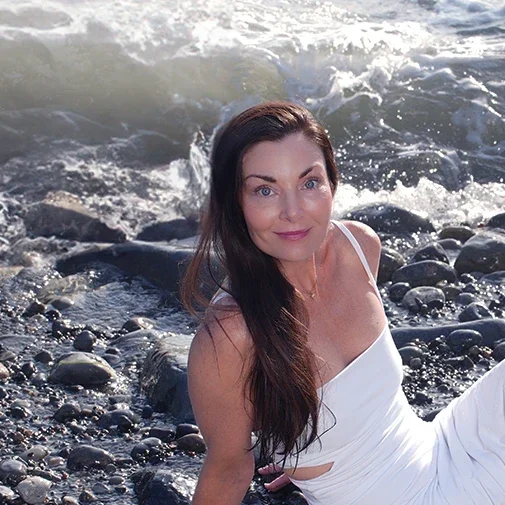
Healing ruptures in attachment with complex trauma therapy to address a relational trauma across the lifespan.
Relational trauma is a rupture that occurs when the foundation of our safety and trust is shattered is shattered in formative, intimate relationships. These are usually experiences that accumulate over time with loved ones such as abuse, neglect, or infidelity.
For many people, relational trauma begins with a deep sense of betrayal, particularly when trust is ruptured after an affair.
Betrayal trauma after infidelity, affairs, secrecy, or deception disrupts not only a relationship, but a worldview — eroding confidence in your own perceptions (“How did I not see this?”) and sense of reality, reshaping how you move through the world, and placing exaggerated focus on one person’s behavior in a way that can unsettle your wider constellation of relationships.
This kind of betrayal is not just relational but epistemic, causing an injury to how you know things to be true — and one that can radiate outward into social belonging, everyday self-trust, and your basic orientation in the world.
Healing is, in part, re-learning how to know things for sure.
Infidelity therapy focuses on restoring your ability to trust yourself, find your way home to a place that feels stable and grounded, and re-engage with a world that may have begun to feel uncertain or suspect.
If you find yourself second-guessing your perceptions, caught in obsessive loops, or burdened by questions that only lead to more questions, reach out.

Those who wound us often force competencies we never asked to develop.
Understanding deception, learning to tolerate ambiguity, overcoming self-doubt, returning to self, moving through grief, and coming to trust your own senses is both painful and extraordinarily valuable.
Emotionally abusive relationships often follow a familiar cycle of seduction, tension, escalation, violence, and repair — mirroring the same core dynamics as addiction.
In relationships where attachment becomes anxious or addictive, tension from unmet needs or conflicting desires builds to a fever pitch.
An argument erupts, the dynamic becomes explosive, and as soon as the energy is exhausted, sorrow and regret replaces the raging storm with a quiet rain.
In the absence of strong personal coping skills, it’s easy to become desperate for your partner to make it better — and when they eventually do, the one who caused the pain becomes the only one who makes it better.
This deepens attachment, creates dependence, and sets the stage for trauma bonding, leading to heightened anxiety or fear the next time tension builds.
If anxious attachment is part of your relationship dynamic, working with a addiction therapist in San Francisco can help you understand the way you form relationships with people and substances so you can make empowered choices about how you move forward.
The seductive allure of pleasure, the deeply human need for love and belonging, the irresistible feeling of being chosen as the sole focus of someone’s affection — these are the things we live for. You’re not alone if the undertow is more powerful than your ability to swim against the current.
When the need for power or control is the defining motivation for connection by one person, the relationship ceases to be about love.
The cost of the relationship gets higher with each turn of the cycle. Every beginning risks the possibility for a more violent ending and deeper dependence; every self-abandonment betrays your trust in yourself; each sacrifice of values, like thieves ransacked the temple and left behind a pile of shame.
It’s a double bind. Leaving an abusive relationship takes all the self-love, confidence, and strength that the relationship has stolen. This is why isolation is such an effective strategy for disempowerment, and why a mirror that reflects unconditional love is the key that opens the cage.
If you are ashamed to admit that you have returned one to many times, and can no longer turn to friends or family members who have heard this story before, a relationship trauma therapist who listens without judgment can help you find your voice

The violence or harm that happened to you does not need to define you.
Some things were never yours to carry.
Nearly every trauma survivor I have met has at one point said, “I didn’t think it was trauma because it wasn’t as bad as…it could have been worse…it was partly my fault.”
What hurts and how much it hurts is different for each individual.
Trauma is defined by your experience of an event and the rupture that follows rather than the event itself.
The psychological marks of emotional or verbal abuse typically take far longer to heal than a bruise.
Let this be permission to experience your truth without disclaimer.
It is not uncommon for individuals who have been harmed by those closest to them to take on the blame for another’s actions and direct their mistrust or rage towards themselves — preserving their love for another by sacrificing their love for self.
Learning to find forgiveness and self-compassion for the shame you feel is the first and most painful part of the healing process.
You don’t have to hold this suffering on your own.
I am a licensed trauma therapist in San Francisco offering expert treatment for complex trauma in the Bay Area and across California.
The process of diving deep into the psyche, to release your authentic self from the grip of defense mechanisms and survival strategies originally designed to protect you, is disruptive by design.
My intention as a trauma therapist is to hold a space that is empathic, secure and aligned with your personal goals, supporting a safe process that unfolds at your natural pace.
Schedule an appointment with me today to see if trauma-informed psychotherapy is the right fit.
My therapy office is in the heart of San Francisco, serving clients from Potrero Hill and Noe Valley to Tiburon, Marin County, and the wider Bay Area.
In person trauma therapy in San Francisco is particularly valuable for those who notice symptoms of psychological distress in their body and those who want to connect relationally, face to face.
For some, the time traveling to and from their psychotherapy appointment becomes a ritual of intention setting and integration before and after session. For others, it’s about privacy and reclaiming a space of their own.
Online trauma therapy and hybrid options are available throughout California whether you live in the Bay Area, Los Angeles, or have the freedom to live and work remotely.